Category: Systems and Models
Reusable thinking systems and mental models that apply across multiple decisions. General-purpose frameworks you internalize once and use repeatedly (e.g., “Reversibility Principle”, “Maintenance Floor Method”, “Tutorial-to-Task Ratio”). No specific recommendations—focuses on the decision-making process itself. Format: Explainers with examples, step-by-step applications, diagnostic tools Reader gets: A reusable lens to evaluate future decisions independently
-

Invisible Geniuses: Dismantling the Architecture of Forgetting
History isn’t written by accident—it’s constructed through deliberate choices about whose contributions matter and whose can be safely erased. The
-
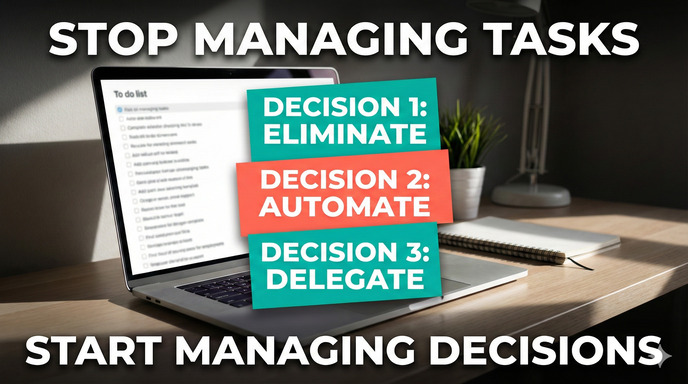
Why Your To-Do List Fails (And What Actually Works in 2026)
Your to-do list isn’t broken, but it wasn’t designed for the type of work you do in 2026. The result:
-

AI and The Great Reshuffling: Guide to Leading the Cognitive Revolution
We are experiencing one of the most profound transformations in the history of work. Artificial Intelligence has evolved from a
-

The “Airbnb Photo” Trap: Identifying Workflow-Killing Workspaces Before You Book
That sun-drenched loft in Medellin looks like a productivity oasis, but if the workspace is optimized for Instagram rather than
-
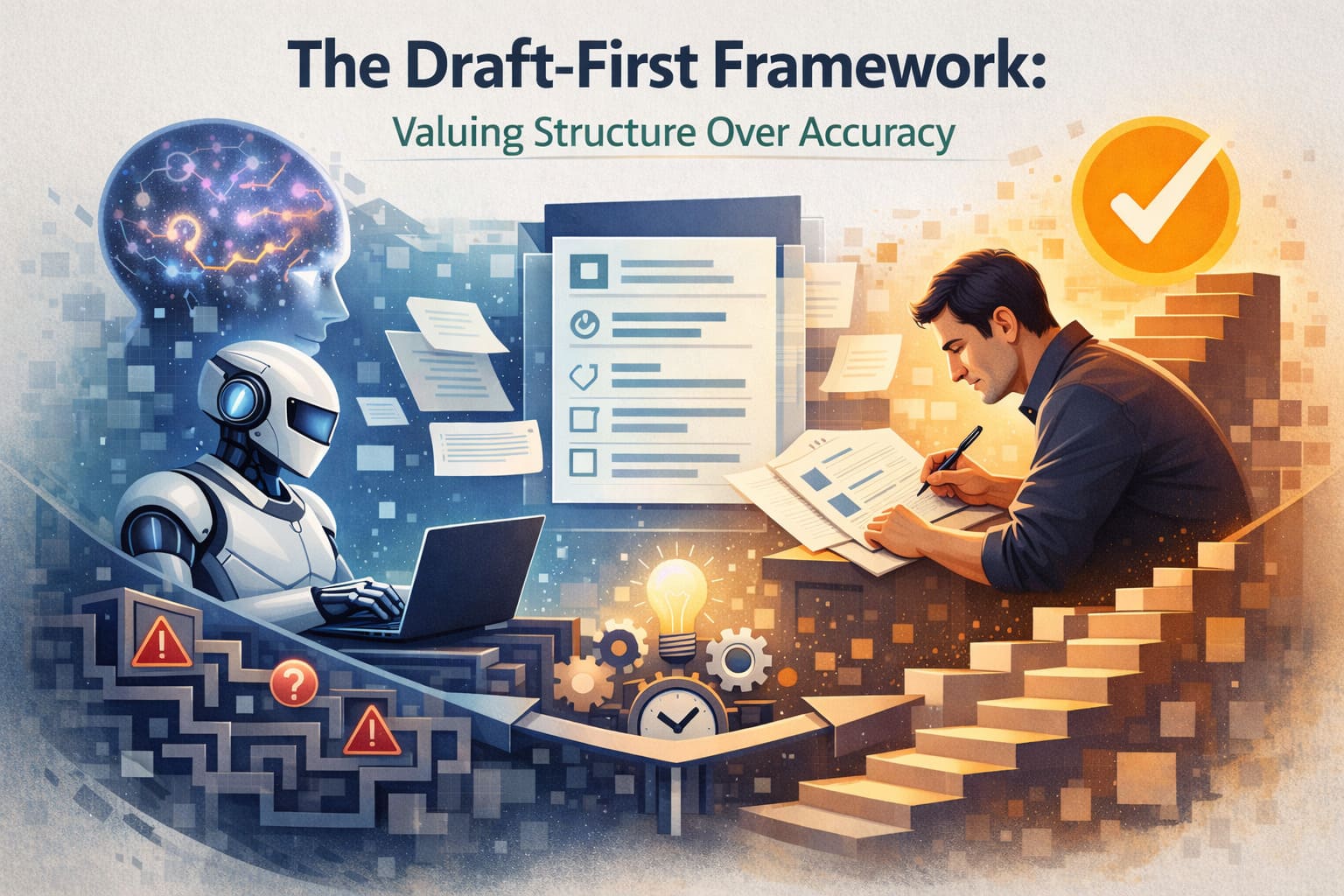
The Draft-First Framework: Valuing Structure Over Accuracy
The primary friction in adopting generative AI for professional workflows often stems from a fundamental misunderstanding of the tool’s nature.
-

How to Choose Your Second Brain Without Destroying Your Productivity
Choosing a second brain system might seem like the ultimate solution to information overload, but most professionals end up trapped
-

High-Learning-Curve vs. Low-Learning-Curve Tools: A Practical Evaluation Model
The Asymmetric Learner Technical Economics Temporal Discounting in Technical Tool Selection An analysis of cognitive friction, loss aversion, and the
-

How to Make Better Tool and Workflow Decisions Under Incomplete Information
Most productivity decisions happen with incomplete information. You can’t know if a new tool will work for you until you’ve
-

Opportunity Cost for Productivity Decisions: Beyond Textbook Economics
Opportunity cost in economics textbooks is about comparing monetary values. In real productivity decisions, it’s about comparing time, attention, and
-
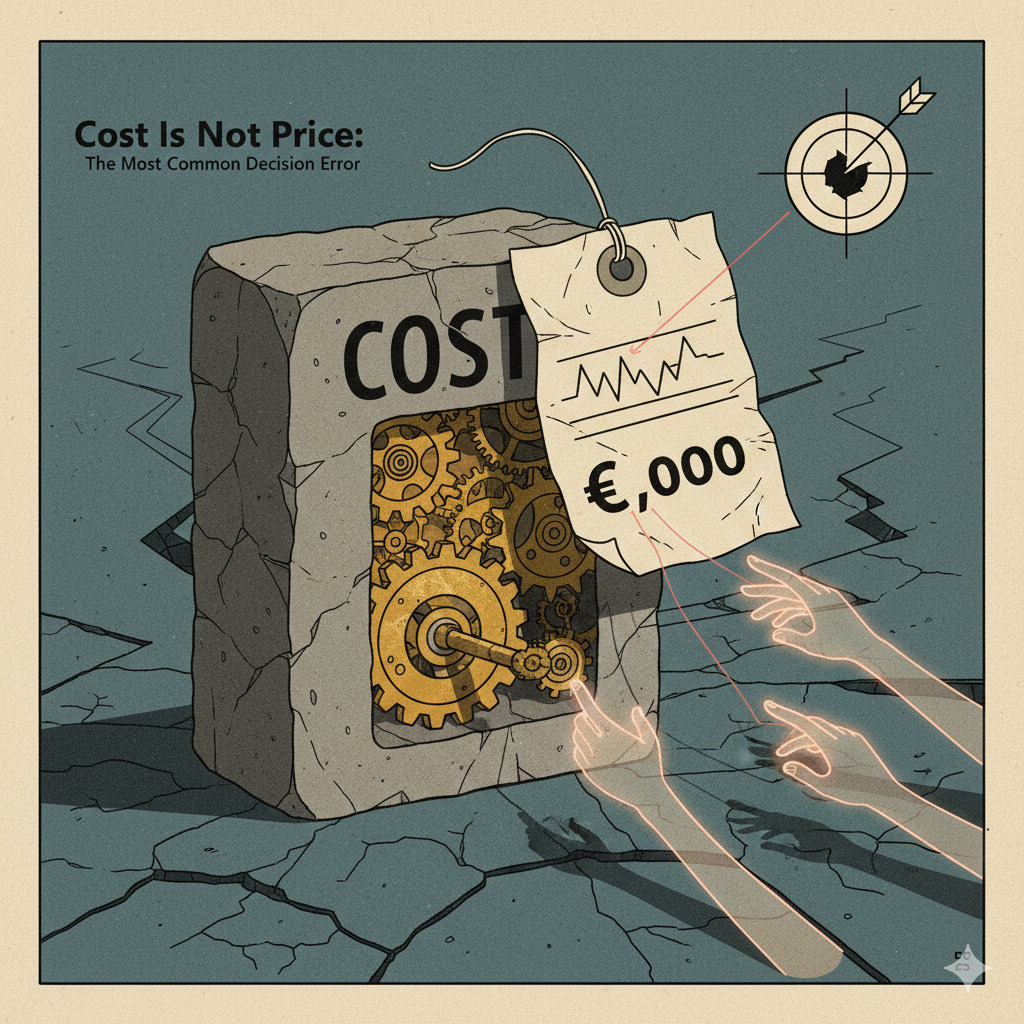
Cost Is Not Price: The Most Common Decision Error
Most people choose productivity tools based on their price tag. But the real cost isn’t the $0 or $10/month you