

If you have been comparing laptops in 2026, one part of the price deserves more attention than usual: memory.
Not because AI is literally “taking all the world’s RAM,” as the story is sometimes simplified, but because the infrastructure boom is changing production priorities. Memory suppliers can allocate capacity toward server products with stronger margins, tightening the supply available for PCs and other consumer devices.
That sounds like a supply-chain detail. It eventually reaches the store.
What the 2026 memory data actually shows
TrendForce reported that conventional DRAM contract prices rose roughly 93%–98% quarter over quarter in Q1 2026, in a market with very low supplier inventories and greater priority for server memory.
For Q3, the firm projected another 13%–18% increase in conventional DRAM and 10%–15% in NAND Flash. The important qualification is that prices have become high enough to weaken consumer demand.
Source: TrendForce, July 3, 2026.
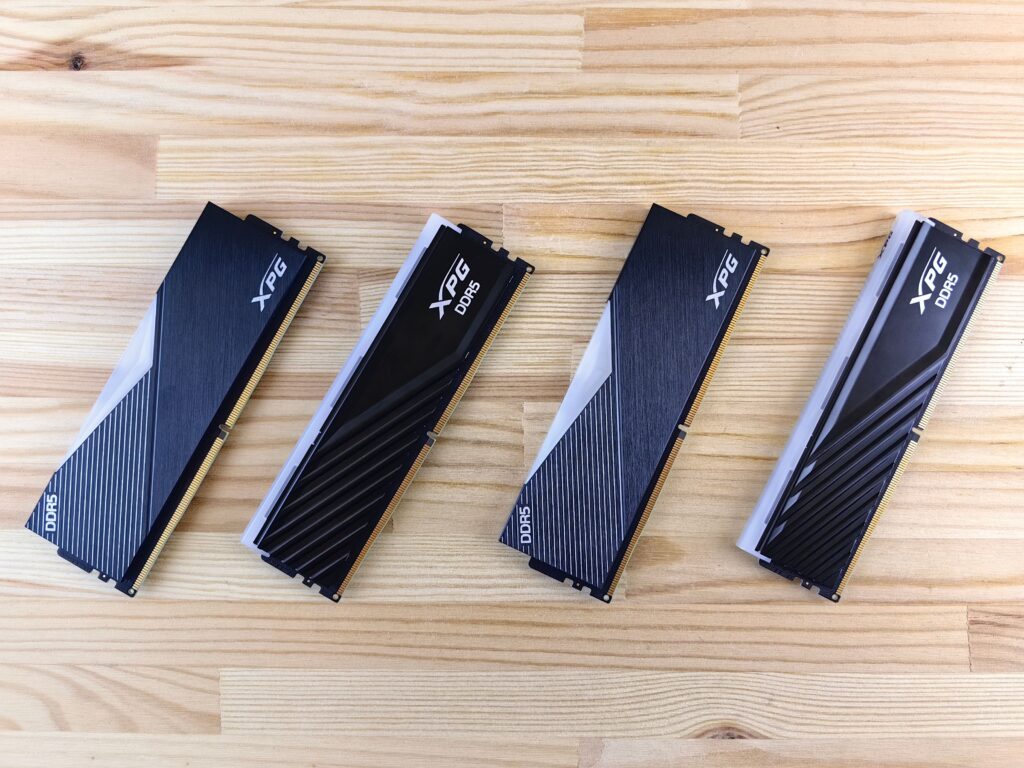
How AI affects a component your laptop also needs
Data centers do not buy the exact same memory modules used in a notebook. The connection is upstream: supplier capacity and product priorities.
TrendForce has described capacity shifting toward server applications during 2026. When higher-margin products receive priority, PC memory competes for tighter supply and device makers absorb higher component costs.
That is more accurate than claiming that one fixed percentage of “all memory” now goes to AI. HBM, RDIMM, PC DRAM, mobile DRAM, and NAND are different markets. Combining them into one dramatic percentage creates a clean headline and a poor explanation.
Does that mean every laptop rose by the same amount?
No.
Final laptop prices also depend on processors, displays, storage, tariffs, old inventory, promotions, exchange rates, and each brand’s pricing strategy. Two manufacturers can face similar memory costs and pass them through very differently.
TrendForce did say higher component costs were expected to reach notebook retail prices as inventories turned over during 2026. That supports the direction of the move, not a universal claim that “your next laptop costs $500 more.”
The pace of increases can slow
The market is not simply saying “up forever.”
TrendForce’s Q3 forecast still showed strong increases, but smaller than earlier spikes because elevated prices are already weakening PC and smartphone demand. Server-oriented capacity continues to support high prices, while weaker consumer demand creates resistance to further increases.
That nuance matters when deciding whether to buy.
Buy now or wait?
If your current laptop is failing and you genuinely need a replacement, there is little evidence for postponing the purchase solely because you expect memory prices to collapse quickly. The 2026 data does not point that way.
But I would not buy immediately out of fear that everything will be dramatically more expensive tomorrow either. Consumer resistance is already appearing, and brand promotions can matter more to your final checkout price than the spot price of a memory chip.
| Situation | More reasonable move |
|---|---|
| Your current device is limiting work or study | Buy when you find a sensible configuration and price. |
| The upgrade is optional | Wait for specific promotions; assume neither a crash nor endless increases. |
| You need a lot of RAM | Compare factory memory tiers with models that can be upgraded later. |
| You buy outside the U.S. dollar | Separate memory cost, exchange-rate movement, and local taxes. |
Configuration matters more than the headline
When memory is expensive, paying for 32 GB or 64 GB soldered at the factory can carry a large premium. A laptop with upgradeable memory or storage gains value because part of the decision can be deferred.
It also helps to separate RAM from SSD pricing. Both are under pressure, but they are different markets with different product mixes.
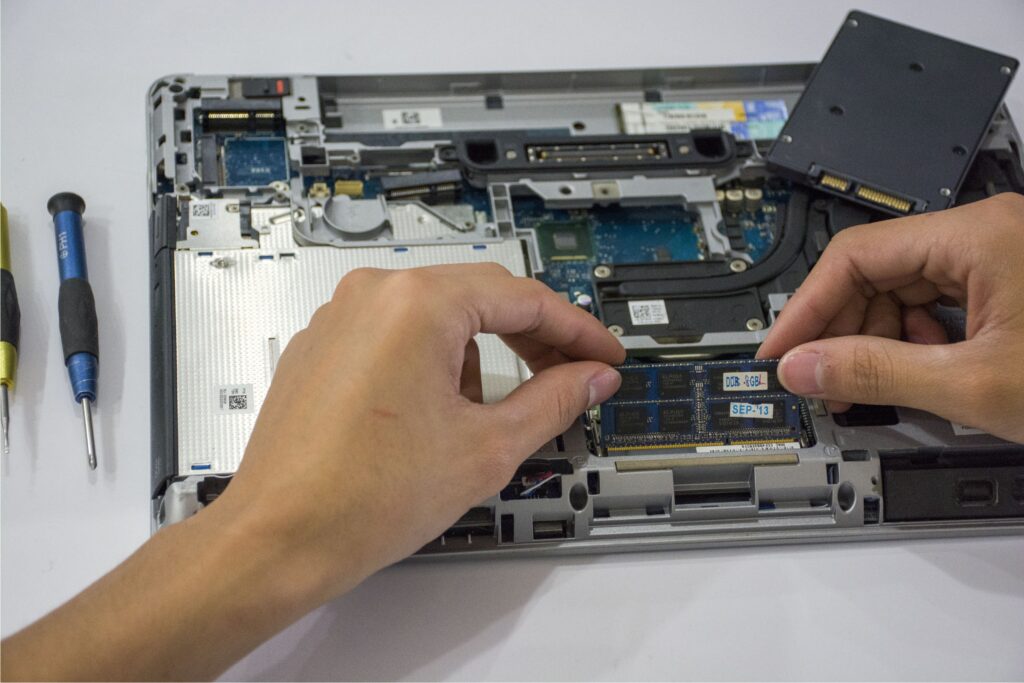
The real 2026 story is not that AI added exactly $500 to your next laptop. It is that infrastructure spending is changing the economics of components consumers spent years treating as nearly invisible commodities.
When that economics changes, configuration, upgradeability, and real promotions matter more than waiting for a magical date when memory “goes back to normal.”
